Quick answer
If you put diesel in a petrol car, the engine can’t burn it properly: diesel needs compression to ignite, not a spark. Run on diesel, a petrol engine misfires, smokes and fouls its spark plugs, and the catalytic converter can be damaged. Don’t start the engine. A drain and flush fixes it, usually in around 35 minutes on site.
1 in 4
of our misfuels are diesel put into a petrol car
20 litres
typical amount of wrong fuel put in
46 min
Fuel Fixer’s average arrival time
98.4%
of booked jobs completed
In this guide
Can you put diesel in a petrol car?
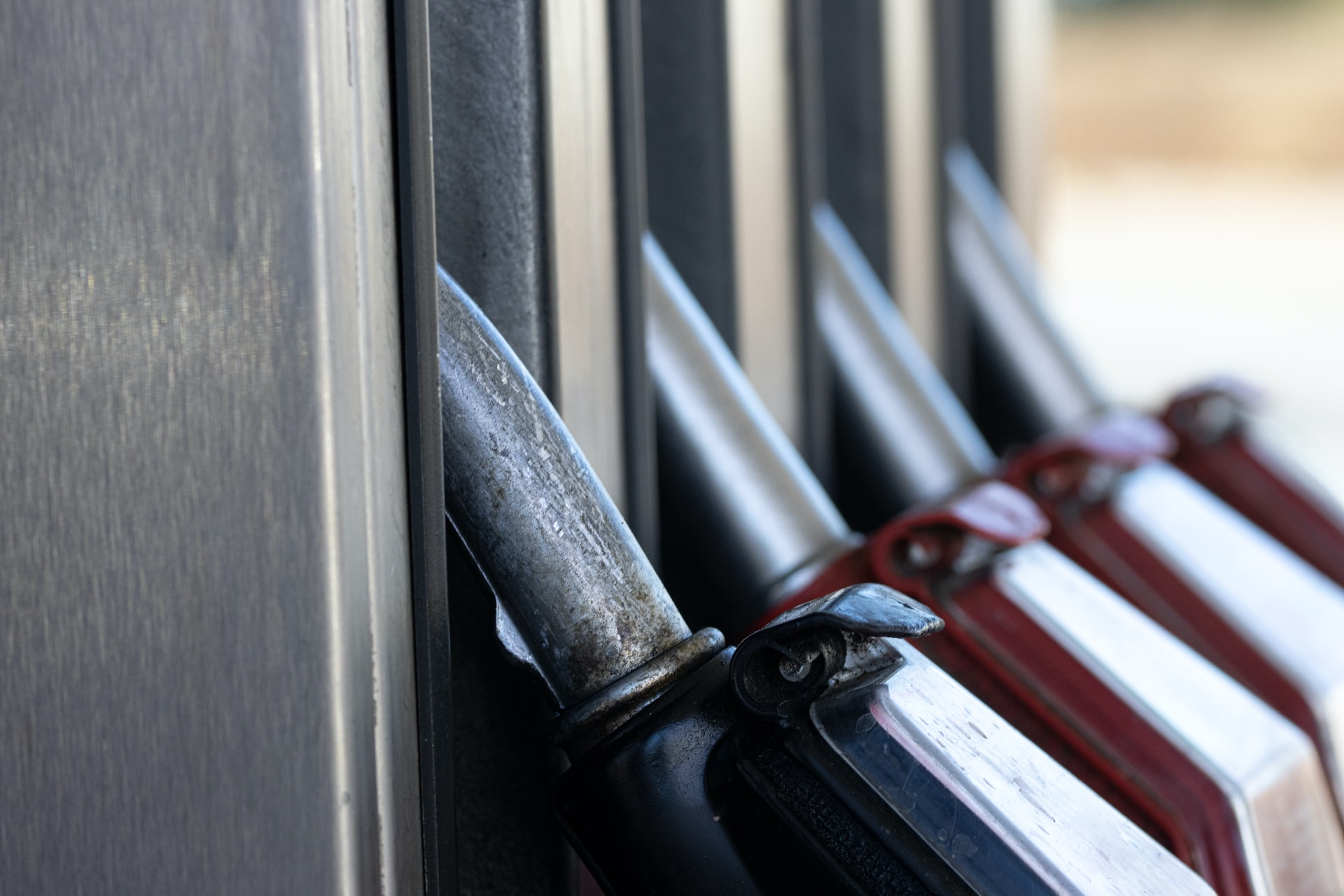
It’s harder than the other way round. Diesel nozzles at UK pumps are usually wider than a petrol car’s filler neck, so they often won’t fit.
But it does happen: on some older cars and filler designs, at pumps with narrower nozzles, or when diesel is poured in from a can.
From our data
Diesel put into a petrol car makes up 22–25% of the wrong fuel cases we see where both fuels are known. That’s far higher than the 5% often quoted. Fleet, hire and pool car drivers, who switch between vehicles, are most at risk. Source: Fuel Fixer wrong fuel statistics.
Petrol vs diesel: why it matters
Petrol engines use spark plugs to ignite the fuel. Diesel engines ignite fuel by compressing it, with no spark involved.
Diesel is also thicker, oilier and less volatile than petrol. It doesn’t vaporise and burn the way a petrol engine needs, which is where the problems start.
What happens when you put diesel in a petrol engine?
The effects depend on how much diesel went in and whether the engine was run. If it was, this is what typically happens:
1. Misfiring and rough running
Diesel doesn’t ignite properly from a spark, so the engine misfires, runs rough or hesitates. Left unchecked, this can cause lasting damage.
2. Smoke and fouled spark plugs
Unburnt diesel leaves deposits in the combustion chamber and coats the spark plugs, and the exhaust can smoke heavily.
3. Clogged fuel filter and injectors
Diesel is thicker than petrol and can clog the fuel filter and injectors, starving the engine of fuel.
4. Catalytic converter damage
Unburnt diesel and soot pass into the exhaust and can damage the catalytic converter, which is expensive to replace.
5. The engine cuts out
Eventually the engine stalls and may not restart until the fuel system has been cleaned.
The good news
Diesel in a petrol car is usually less damaging than petrol in a diesel. If the engine hasn’t been started, a drain is normally all that’s needed.
Symptoms of diesel in a petrol car
| Symptom | What you’ll notice |
|---|---|
| Misfiring | Juddering, rough idle, hesitation when you accelerate |
| Smoke | Heavy exhaust smoke |
| Loss of power | Sluggish acceleration, the car struggles on hills |
| Warning light | The engine management light comes on |
| Cutting out | The engine stalls and won’t restart |
For the signs of wrong fuel in both petrol and diesel cars, see our guide to wrong fuel symptoms.
What to do if you’ve put diesel in a petrol car
- Don’t start the engine or switch the ignition on. Running it circulates the diesel through the fuel system and makes things worse.
- Move the car to a safe place without starting it. Ask the forecourt staff to help you push it away from the pumps.
- If you’re already driving, pull over as soon as it’s safe, switch off and put your hazard lights on.
- Call a wrong fuel specialist. Fuel Fixer covers the whole UK 24/7 on 0333 366 1081.
Important
Don’t try to fix it yourself by topping up with petrol. Diluting doesn’t remove the diesel, and running the engine can damage the spark plugs and catalytic converter.
How we fix diesel in a petrol car
Our technician comes to you with a mobile unit and fixes the car where it is.
- Drain: the diesel is removed from the tank with specialist equipment.
- Flush: the fuel lines, filter and injectors are flushed to clear any remaining diesel.
- Refuel: the tank is refilled with the correct petrol.
- Check: the engine is checked and run, including the spark plugs and exhaust if the car was driven.
A standard drain takes around 35 minutes on site. Find out more on our diesel in a petrol car service page.
How much does it cost?
Draining the tank early is by far the cheapest option. The costs climb if the car is driven or the diesel is left in the system.
| Scenario | Typical cost |
|---|---|
| Fuel Fixer mobile drain (standard car) | £150–£299 |
| Main dealer fuel drain | £300–£500+ |
| Fuel system repairs if action is delayed | £1,000–£3,000 |
| Engine replacement (rare) | £5,000–£15,000+ |
We confirm a fixed price before we set off. For insurance and breakdown cover, see wrong fuel costs, insurance and breakdown cover.
How to avoid putting diesel in a petrol car
- Label the inside of the fuel flap with the right fuel, especially on shared or hire cars.
- Check the pump label and nozzle before you lift it: diesel nozzles are usually black, unleaded usually green.
- Take extra care in an unfamiliar car, and avoid distractions while you fill up.
More tips: how misfuelling happens and how to prevent it.
Put petrol in a diesel car instead?
That’s the more common mistake, and it can be more damaging. See petrol in a diesel car: what happens and what to do.
Put diesel in your petrol car? We’ll come to you
24/7 across the UK · average arrival 46 minutes · 98.4% of booked jobs completed
Frequently asked questions
Will diesel ruin a petrol engine?
Not usually, if you act quickly. If the engine hasn’t been started, draining the tank is normally all that’s needed. Driving on diesel can foul the spark plugs and damage the catalytic converter.
Can I drive with a little diesel in my petrol car?
We don’t recommend it. Even a small amount can cause misfiring and smoke, and you risk damaging the catalytic converter.
Can I top up with petrol to dilute the diesel?
No. Diluting doesn’t remove the diesel, and the engine still can’t burn it properly. Drain the tank instead.
How long does it take to fix?
Our technicians arrive in 46 minutes on average, and a standard drain takes around 35 minutes on site.
Is diesel in a petrol car covered by insurance?
Often not. Many policies exclude misfuelling, so check your policy wording or ask your insurer.