Quick answer
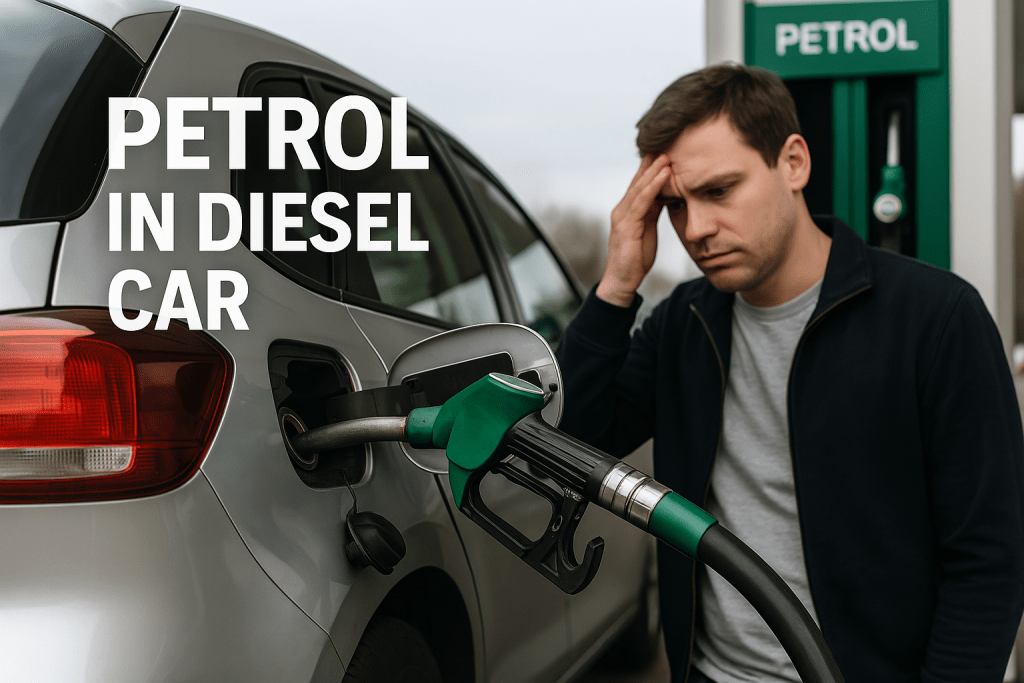
Misfuelling harms the environment in three ways: a car running on the wrong fuel burns it badly and produces extra emissions, damaged parts such as catalytic converters stop cleaning the exhaust, and contaminated fuel must be disposed of safely. A professional drain removes the fuel for licensed disposal and stops the car polluting further.
The ever-increasing concern for environmental preservation and eco-conscious practices has made consumers highly aware of their individual impact on the planet. As vehicle owners, one of our primary responsibilities is ensuring the proper functioning and maintenance of our cars to minimise pollution and be environmentally responsible. Misfuelling, unfortunately, poses not only a risk to the performance and eventual repair costs of your vehicle but also contributes significantly to environmental harm.
In this guide
Environmental Consequences of Misfuelling
Misfuelling can have a range of negative implications for the environment, contributing to pollution, increasing carbon footprint, and causing wastage of valuable resources. Let’s take a more in-depth look at these environmental consequences:
1. Increased Air Pollution:
Misfuelling can lead to increased emissions, with petrol-in-diesel incidents causing high levels of unburnt hydrocarbons, carbon monoxide, and particulate matter, whereas diesel-in-petrol mistakes may result in excessive smoke. These emissions can contribute to urban smog and negatively impact air quality, posing a threat to both human health and the environment. The wrong fuel in a vehicle’s engine can result in incomplete combustion, generating harmful emissions that contribute to air pollution and negatively affect air quality.
2. Waste of Natural Resources:
By misfuelling a vehicle, the used fuel essentially goes to waste, which means that valuable fossil fuels are being consumed without providing any useful energy. This waste only adds to the demand for more oil extraction and refining, leading to environmental degradation, water pollution, and deforestation. The energy expended during the extraction, refinement, and transport of fuel becomes wasted when misfuelled, further contributing to the depletion of finite resources.
3. Groundwater Contamination:
Spills, leaks, or improper disposal following misfuelling incidents can lead to soil and groundwater contamination, affecting aquatic life and posing long-term risks to ecosystems. Moreover, groundwater contamination may also introduce toxins into the food chain, impacting human and animal health. Incorrectly disposed waste fuel can seep into soil and groundwater, causing contamination and posing threats to local ecosystems and public health.
Preventive Measures: How You Can Contribute to a Cleaner Environment
Taking preventive measures to avoid misfuelling incidents goes beyond merely protecting your vehicle – it is a significant step towards being an environmentally responsible motorist. Here are some essential tips to keep in mind when refuelling:
1. Know Your Fuel Type:
Always ensure you know which type of fuel your vehicle requires. Familiarise yourself with the specific fuel grade and octane rating, if applicable. Familiarise yourself with your vehicle’s fuel requirements by consulting the owner’s manual or manufacturer’s website. Clear knowledge of the correct fuel type minimises unintentional misfuelling incidents and their environmental consequences.
2. Slow Down and Stay Attentive:
When refuelling, avoid rushing and minimise distractions. Pay close attention to the fuel pump labels and confirm the correct fuel type before dispensing. Always take a moment to ensure you have selected the correct fuel nozzle before filling your vehicle. Adopting this habit can significantly decrease the occurrence of fuel mix-ups.
3. Use Fuel Cap Reminders:
Consider using a reminder sticker on your fuel cap or filler flap to remind you of the correct fuel type for your vehicle every time you refuel. Attach a reminder tag or sticker near your fuel cap clearly indicating the correct fuel type for your vehicle. This simple measure can prevent misfuelling incidents and minimise the waste of valuable resources.
4. Fuel Cap Misfuelling Prevention Devices:
Investing in a device that attaches to your fuel cap and prevents the incorrect fuel nozzle from fitting into the filler neck offers an additional layer of protection against misfuelling.
5. Maintain Your Vehicle’s Fuel System:
Regular vehicle maintenance, including fuel filters, fuel injectors, and fuel lines, can contribute to efficient engine performance and reduce harmful emissions from incorrect fuel use.
The Role of Wrong Fuel Recovery Services in Environmental Protection
Professional wrong fuel recovery services, such as Fuel Fixer, play a crucial role in mitigating the environmental impact of misfuelling incidents. Here’s how they contribute to a greener and cleaner planet:
1. Prompt Recovery and Restoration:
By arriving on-site promptly and effectively addressing the issue, professional wrong fuel recovery companies significantly reduce the likelihood of further environmental damage, such as leaks and spills.
2. Safe and Efficient Fuel Drainage:
Using specialised equipment and industry-standard procedures, Fuel Fixer ensures proper fuel drainage, minimising the risk of soil and groundwater contamination. Trained technicians use specialised equipment to safely remove the incorrect fuel from the vehicle, minimising the risk of spills and leaks that can contaminate the environment.
3. Responsible Disposal:
Fuel Fixer adheres to strict environmental guidelines for fuel disposal, ensuring that removed fuel is disposed of correctly and in an eco-friendly manner, thus preventing potential environmental hazards. By adhering to strict industry regulations and guidelines, professional wrong fuel specialists ensure responsible waste fuel management, preventing soil and groundwater contamination.
4. Reduced Risk of Engine Damage:
Expert technicians carry out comprehensive fuel system flushes and checks, helping to restore optimal engine performance and reduce harmful emissions.
5. Promoting Sustainable Vehicle Performance:
Fuel Fixer and other professional wrong fuel recovery services help drivers get back on the road with their vehicles operating efficiently, thus minimising the environmental repercussions of misfuelling.
6. Educating Vehicle Owners:
Raising awareness and providing information to vehicle owners about the environmental consequences of misfuelling is a critical aspect of wrong fuel recovery services’ responsibility, encouraging responsible refuelling habits and environmental stewardship.
Eco-friendly Best Practices Following Misfuelling
In the event of a misfuelling mishap, adopting environmentally-conscious best practices can help minimize the environmental impact of the incident:
- Do Not Start the Engine: Avoid starting your vehicle’s engine upon realising the misfuelling error, as doing so can lead to increased harmful emissions and further environmental damage.
- Seek Professional Help: Immediately contact a wrong fuel specialist like Fuel Fixer to properly address the situation and ensure environmentally responsible fuel recovery.
- Learn from the Experience: Reflect on the causes of the misfuelling incident and adopt preventive measures to avoid future incidents, thus contributing to a more sustainable motoring lifestyle.
Wrong fuel? We’ll drain it and dispose of it safely
24/7 across the UK · average arrival 46 minutes · 98.4% of booked jobs completed
Frequently asked questions
Is misfuelling bad for the environment?
Yes. Running on the wrong fuel increases emissions and can damage parts that clean the exhaust.
What happens to drained wrong fuel?
A professional service takes it away for licensed disposal or recycling.
Can I pour old fuel down the drain?
No. It pollutes water and is an offence. Take it to a household waste recycling centre that accepts fuel.