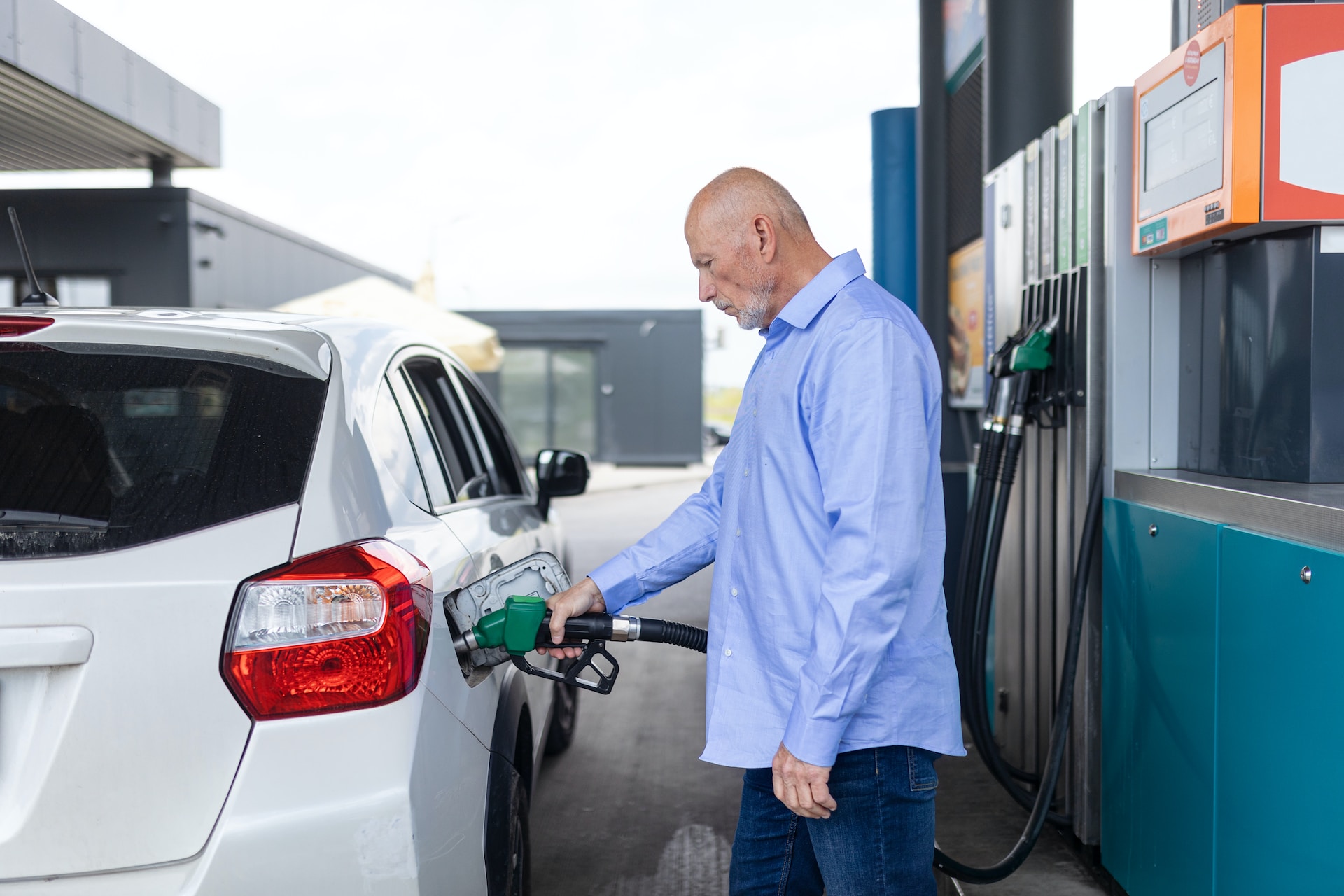
Making mistakes is a part of life, and pumping the wrong fuel into your car is a grave example of that. It’s a potentially costly error, but fortunately, it’s not the end of the world. With some quick thinking and a little know-how, you can minimise the damage and get back on the road as quickly as possible.
This article discusses the steps you should take when you’ve pumped the wrong fuel into your car, from assessing the damage to filling it up with the correct fuel.
Stop Pumping; Don’t Start the Engine
The first thing you should do is stop pumping the wrong fuel immediately. If you’ve realised the mistake before driving away from the gas station, don’t start the engine. Starting the engine will circulate the diesel through your car’s fuel system, causing more extensive damage.
If you have started the engine, turn it off right away remove the keys from the ignition and put your car in neutral or park. The longer the wrong fuel is in your car’s system, the worse the damage will be. So, the key is to act quickly. The less diesel that flows through your car’s system, the less damage it will cause.
You may not realise you’ve put the wrong fuel in your automobile until you’re halfway down the motorway and your engine suddenly loses power. So your only option is to phone an emergency breakdown service and wait for them to arrive.
If your car is designed to use diesel, the diesel itself will typically lubricate the fuel pump, ensuring its smooth operation. Petrol, however, acts as a solvent, dissolving the lubrication and causing the metal pieces to grate against each other.
Diesel in a petrol engine can cause the engine to smoke and perform poorly, but the damage isn’t as serious as it would be if you left it in there for too long, so it’s better to drain the diesel as soon as possible.
Get to Safety
If you haven’t left the petrol station and your car is blocking the pump or in a busy area, ask for assistance to push your vehicle to a safe spot away from the pump. However, if you are unable to move the car without starting the engine, it’s best to leave it where it is.
Assess the Damage
Once you’ve stopped pumping the wrong fuel, assess the damage. If you’ve only added a small amount of the wrong fuel, the damage is likely to be minimal. However, if you’ve filled up the tank with the wrong fuel, the damage could be significant.
The type of fuel you’ve added will also affect the extent of the damage. For example, diesel fuel in a gas engine can cause more damage than gasoline in a diesel engine.
As soon as you realise you’ve put in the wrong fuel, you should try to determine how much of it you’ve already put in. A simple top-off with the proper fuel, and you should be good to go if the level is below 10% of the tank’s capacity. It’s better to be safe than sorry, so if you’re unsure how much gas you’ve put in, get the tank emptied, just in case.
Notify the Petrol Station Staff
Inform the petrol station staff about the situation, as they may be able to offer assistance or advice. They may be able to help you contact a breakdown service or a mobile fuel draining company.
They may also need to make a note of the incident for their records.
Call for Help
If you’re not sure what to do next, call for help. Your car’s manual or the petrol station attendants may be able to offer some advice.
Alternatively, you can call a tow truck or a mechanic for assistance. They’ll be able to assess the damage and recommend the best course of action.
It’s not unheard of to accidentally put the wrong fuel in your car; in 2008, an estimated 13 UK drivers every hour did so. If this happens to you, it’s essential to remain calm, turn off your motor, and contact a towing service immediately.
Don’t Try to Fix It Yourself
If you’re not a mechanic, don’t try to fix the problem yourself. You could end up causing more damage and costing yourself more money in the long run. It’s better to let a professional handle the repair work.
Drain the Tank
One of the first things a mechanic will do is drain the tank. This will remove the wrong fuel from your car’s system.
Depending on the extent of the damage, the mechanic may need to flush the system to remove any remaining traces of the wrong fuel. This process can take a few hours, so it’s important to be patient.
Flush the Fuel Lines / Have the System Flushed
If the wrong fuel has made its way into your car’s fuel lines, it can cause damage to the engine. Flushing the fuel lines will remove any traces of the wrong fuel and prevent further damage to other components.
It’s a labour-intensive process, but it’s essential to ensure your car is running smoothly.
Replace the Fuel Filter
Before the fuel gets to the engine, the fuel filter is intended to remove any contaminants. When you’ve pumped the wrong fuel into your car, the filter can become clogged with debris.
That’s why it’s important to replace the fuel filter to prevent any further damage to your car’s engine.
Check with a Professional Mechanic
Although draining and flushing the fuel system should solve the problem, it’s always a good idea to have your car checked by a professional mechanic to ensure that there’s no residual damage.
Fill Up with the Correct Fuel
Once the repairs have been made, it’s time to fill up with the correct fuel. Make sure you double-check the fuel type before pumping to avoid making the same mistake twice.
It’s also a good idea to fill up with high-quality fuel to help clean out any remaining debris in your car’s system.
Be Prepared for Potential Costs
Depending on the type of breakdown cover you have, you may be charged for the fuel drain and recovery service. The cost of this service can vary, but it’s generally much cheaper than the potential damage caused by driving a vehicle with the wrong fuel. Additionally, you will need to pay for the correct fuel to refill your car once the wrong fuel has been removed.
Prevention Is Key
The best way to avoid pumping the wrong fuel into your car is to be vigilant. Pay attention to the fuel type and double-check before pumping. Petrol pumps typically have green handles, while diesel pumps have black handles. If you’re not sure, ask for help. It’s better to be safe than sorry.
To avoid making the same mistake in the future, consider using a fuel filler cap with a label indicating the correct fuel type for your car. Place a reminder sticker on your fuel cap or dashboard, indicating the correct fuel type for your vehicle.
If you frequently drive different vehicles, be extra cautious when refuelling, as it can be easy to confuse the correct fuel type when switching between cars.
Conclusion
Pumping the wrong fuel into your car can be a frustrating and expensive mistake. You can lessen the harm and resume driving as soon as possible by taking certain procedures. The key is to act quickly, assess the damage, and call for help if needed.
Putting diesel in a petrol car can be a costly error, but acting quickly and following the steps above can minimise the damage and get you back on the road as soon as possible.
Get immediate wrong fuel assistance from Fuel Fixer, the company that deploys mobile units on call across the UK for wrong fuel recovery. With an average arrival time of just 46 minutes, we are committed to providing you with the fast and efficient wrong fuel assistance you need to get back on the road. Contact us today for quick and reliable wrong fuel assistance!