AdBlue is a liquid substance used in diesel engines to reduce harmful emissions. It is a clear, non-toxic, and non-flammable solution comprising 32.5% high-purity urea and 67.5% deionised water. This solution is injected into the exhaust system of diesel engines to break down harmful nitrogen oxide (NOx) emissions into harmless nitrogen and water vapour.
As the world becomes more and more aware of the negative effects of pollution on the environment, different industries have started to shift to more environmentally friendly solutions. One of the industries that have seen significant changes in recent years is the automotive industry. With the introduction of AdBlue, diesel engines have become significantly cleaner, reducing the environmental impact of diesel engines.
What is AdBlue?
AdBlue is the German Association of the Automotive Industry (VDA) registered trademark. It is also known as Diesel Exhaust Fluid (DEF) in North America. This solution is used to reduce NOx emissions in diesel engines. NOx is a harmful pollutant that is produced when diesel fuel is burned in the engine. It contributes to the formation of smog and acid rain, which can have detrimental effects on the environment and human health.
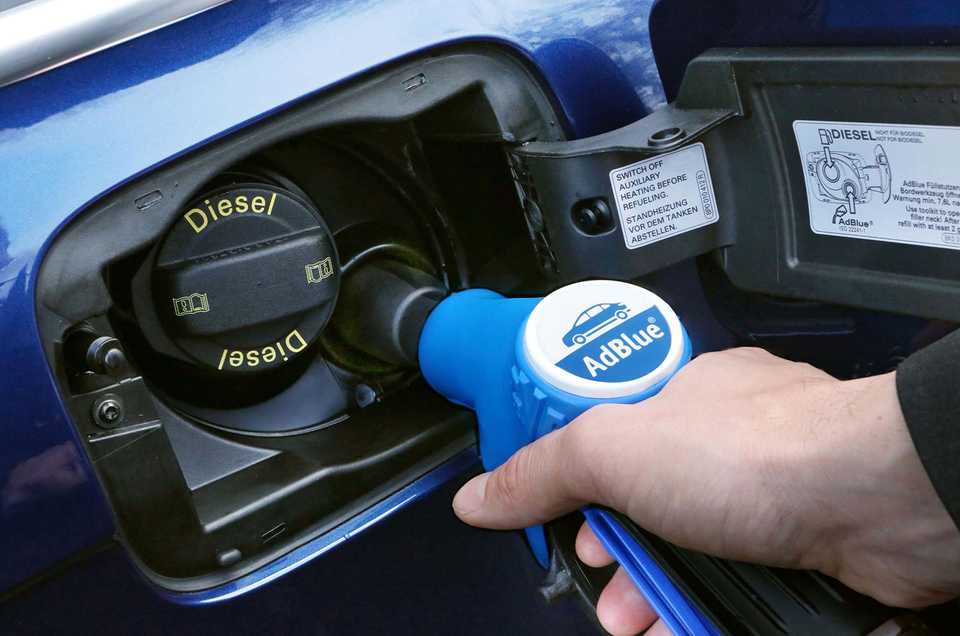
It is an odourless, colourless, and non-toxic liquid injected into the exhaust system of diesel-powered vehicles and machinery. AdBlue is stored in a separate tank on the car, typically near the fuel tank, and is automatically injected into the exhaust stream as needed.
How Does AdBlue Work?
AdBlue is stored in a separate tank in the vehicle and is injected into the exhaust system through a special system called Selective Catalytic Reduction (SCR). When AdBlue is injected into the hot exhaust gases, it reacts with the NOx emissions and breaks them down into nitrogen, CO2 and water vapor. This process reduces harmful emissions and helps to keep the air clean.
This process occurs in the catalytic converter, which is a part of the exhaust system. The result is a significant reduction in harmful emissions, which makes diesel engines much cleaner and more environmentally friendly. It reduces NOx emissions by up to 90%.
To ensure that the AdBlue is injected into the SCR system at the correct rate, diesel engines are equipped with a dosing system. The dosing system monitors the exhaust gases and injects the AdBlue at the correct rate to ensure that the NOx is converted into harmless nitrogen and water.
Does My Vehicle Need AdBlue?
AdBlue is required in diesel engines that are equipped with SCR technology. This technology is used in most modern diesel engines, including cars, trucks, buses, and heavy equipment. If your vehicle has an SCR system, then it requires AdBlue to operate properly.
You can check your vehicle owner’s manual to see if your vehicle has an SCR system and requires AdBlue. If your vehicle requires AdBlue, it will have a separate AdBlue tank that needs to be filled periodically. The frequency of AdBlue refills depends on the vehicle make and model and the driving conditions. AdBlue must be topped up every 10,000 to 15,000 miles, which can vary depending on the car.
Benefits of Using AdBlue
Using AdBlue has several benefits for both the environment and your vehicle. Here are some of the main advantages of using AdBlue:
Reduced Emissions
AdBlue helps to reduce harmful emissions from diesel engines, including NOx and particulate matter (PM) by up to 90 per cent, making diesel engines much cleaner.
NOx significantly contributes to air pollution and can cause serious health problems, including respiratory issues, heart disease, and lung cancer.
Improved Fuel Economy
By reducing emissions, AdBlue can help to improve fuel economy and lower the operating costs of diesel engines.
This means that vehicles and machinery that use AdBlue can travel further on a single fuel tank, saving money in the long run.
Extended Engine Life
AdBlue can help extend the engine’s life by reducing the buildup of deposits and reducing wear and tear on engine components.
This is because NOx emissions can cause damage to the engine’s internal components, such as the piston rings and cylinder walls. By using AdBlue, diesel engines can run more smoothly and last longer.
Improved Performance
AdBlue can also increase engine performance by reducing the amount of soot produced by the engine. Soot is a byproduct of diesel combustion and can cause various issues, including reduced power and acceleration, increased fuel consumption, and increased emissions. By reducing soot production, AdBlue can help keep engines running smoothly and performing at their best.
Reduced Maintenance Costs
Finally, AdBlue can help reduce maintenance costs for diesel engines. This is because AdBlue can reduce the amount of wear and tear on the engine, resulting in fewer repairs and replacements. Additionally, AdBlue is easy to use and requires minimal maintenance, which can save time and money in the long run.
Cost-Effective Operation
AdBlue is a cost-effective solution that can help reduce the overall running costs of diesel-powered vehicles. Since AdBlue helps improve fuel efficiency, it can lead to lower fuel costs over time.
Impact on the Environment
AdBlue has a significant impact on the environment. By reducing NOx emissions, it helps improve air quality and reduce pollution. NOx emissions are a major contributor to smog and acid rain, which can have a devastating impact on the environment.
In addition, AdBlue also helps reduce greenhouse gas emissions. By improving fuel efficiency, it reduces the amount of fuel that is burned, which in turn reduces the amount of CO2 emissions. According to the European Environment Agency, AdBlue can reduce CO2 emissions by up to five per cent.
AdBlue also plays a crucial role in meeting emissions regulations. In many countries, diesel engines are subject to strict emissions regulations, and AdBlue is an essential component of meeting these regulations. By reducing harmful emissions, AdBlue helps diesel engines meet emissions regulations, making them more environmentally friendly.
Cost of AdBlue
The cost of AdBlue varies depending on the location and the quantity purchased. In general, AdBlue costs around $2.50 to $3.50 per gallon. The cost of AdBlue is generally lower than diesel fuel, making it an affordable solution for reducing emissions from diesel engines.
Conclusion
AdBlue is a liquid solution that is used to reduce harmful emissions from diesel engines. It is required in vehicles that have Selective Catalytic Reduction technology. If your vehicle requires AdBlue, it will have a separate AdBlue tank that needs to be filled periodically. Using AdBlue has several benefits, including reduced emissions, improved fuel economy, extended engine life, and improved performance. The cost of AdBlue is generally lower than diesel fuel, making it an affordable solution for reducing emissions from diesel engines.
AdBlue is an essential component of modern diesel engine and a crucial component of the automotive industry. Its impact on the environment is also significant, as it helps improve air quality and reduce greenhouse gas emissions, making it a key component in the fight against climate change. As the world continues to move towards more environmentally friendly solutions, AdBlue will play an increasingly important role in the automotive industry.
If you want to remove AdBlue in a diesel car, Fuel Fixer is the company you should call. We are the country’s leading misfuel specialists that can safely and efficiently remove AdBlue from your diesel vehicle. Contact us today to learn more about our services. Are you looking for the best fuel tank experts? Our mobile unit is on call now and can arrive within 46 mins! Call us now!