Quick answer
The most common causes of fuel tank spills in cars are overfilling, a damaged or corroded tank, a loose or faulty fuel cap, a blocked fuel vent, a faulty fuel pump, poor installation and manufacturing defects. Spilt fuel is a fire and environmental hazard: if you smell fuel or see a leak, stop, switch off and get it checked.
A fuel tank is one of the most essential components of a car. It is responsible for storing fuel and providing it to the engine for combustion. However, fuel tank spills can be hazardous and can cause severe damage to the environment, the car, and the people around it. This blog post will discuss the reasons behind hazardous fuel tank spills in vehicles.
In this guide
1. Overfilling the Tank
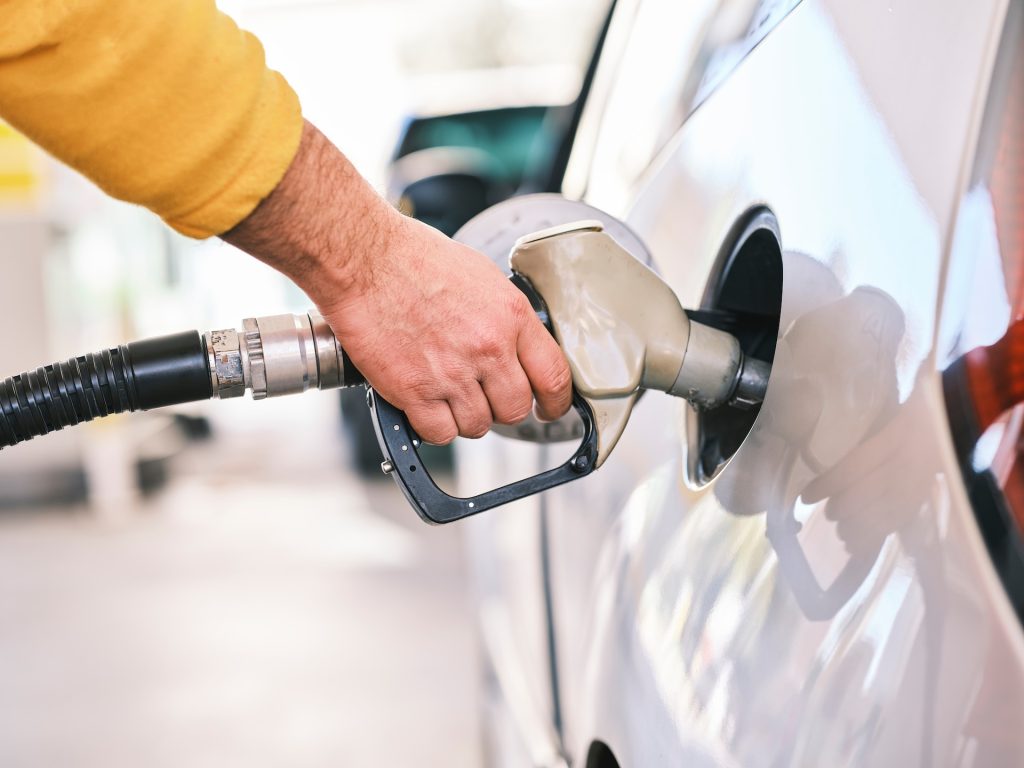
Overfilling the fuel tank in cars is a frequent cause of fuel spills. Adding more fuel than the tank can hold can overflow and spill onto the ground. This is dangerous, particularly if the fuel connects with heat. To prevent overfilling, keeping an eye on the fuel gauge and stopping adding fuel when the tank is full is critical.
2. Damaged Fuel Tank
The fuel tank stores fuel and supplies it to the engine as required. A damaged fuel tank can lead to fuel leaks, which can cause environmental pollution, fires, and explosions. Inspecting the fuel tank regularly for any signs of damage is essential. Some signs of a damaged fuel tank include leaks, rust, cracks, and dents. In this case, simply call for engine breakdown repair or replacement.
3. Loose Fuel Cap
A loose fuel cap may seem minor, but it can cause significant problems for your car and the environment. Fuel tank spills can result in wasted fuel, air pollution, and even fires. That’s why ensuring your fuel cap is always adequately tightened is essential.To avoid these problems, ensure your fuel cap is always correctly tightened. After refuelling your car, take a moment to make sure the lid is securely in place. You should hear a clicking sound when it’s properly tightened. If you’re unsure if your fuel cap is secure, you can check it by gently tugging it. If it moves quickly, it needs to be tightened.
4. Clogged Fuel Vent
The fuel vent is a small opening in the fuel tank that allows air to enter as fuel is used up. If this vent becomes clogged, it can cause pressure to build up within the tank. This pressure can lead to fuel spills or damage the tank itself. Awareness of any warning signs indicating a clogged fuel vent is also essential. These can include difficulty starting the engine, decreased fuel efficiency, or a strong smell of fuel. If any of these clues are present, have the vent inspected and cleaned immediately.
5. Faulty Fuel Pump
If the fuel pump is faulty, it can cause fuel to leak out of the tank and onto the ground. This can happen when the fuel pump fails to create the necessary pressure to pump the power properly. It can also occur when the fuel pump is damaged or has worn out over time. A fuel tank spill can cause problems for your car and the environment. It can damage the engine, as well as cause a fire hazard. It can also contaminate the soil and groundwater, causing environmental damage. Therefore, checking the fuel pump or calling for an engine breakdown repair service is essential.
6. Improper Installation
The fuel tank must be installed correctly to prevent any leaks or spills. When the fuel tank is not installed correctly, it can lead to several problems.To prevent fuel spills, it is essential to get the fuel tank installed by a professional mechanic. A professional mechanic will ensure the fuel tank is installed correctly and securely. They will also guarantee the fuel tank is properly sealed to prevent leaks.
7. Manufacturing Defects
Manufacturing defects in fuel tanks can occur during the manufacturing process. These defects range from minor imperfections to significant flaws that can lead to catastrophic fuel tank failures. Common manufacturing defects that can cause fuel tank spills include poor welding, improperly installed components, and incorrect assembly.To prevent manufacturing defects from causing fuel tank spills, it is vital to ensure that the fuel tank is manufactured to the required standards and meets all safety requirements.
Spills from fuel storage and deliveries
Spills don’t only happen in cars. At depots, farms and businesses that store fuel, the common causes are equipment failure, poor maintenance of tanks and pipework, problems during deliveries, and mistakes while dispensing.
- Inspect tanks, pipework and bunds regularly.
- Supervise every delivery and check the tank has room.
- Use automatic shut-off nozzles and keep spill kits nearby.
Need fuel removed safely? We’ll come to you
24/7 across the UK · average arrival 46 minutes · 98.4% of booked jobs completed
Frequently asked questions
What should I do if my car is leaking fuel?
Stop somewhere safe, switch off, keep away from ignition sources and get the car checked before driving it.
Can overfilling a fuel tank cause problems?
Yes. Topping up after the pump clicks off can spill fuel and flood the evaporative system.
Is a fuel smell dangerous?
It can be. A strong smell of fuel can mean a leak, which is a fire risk.