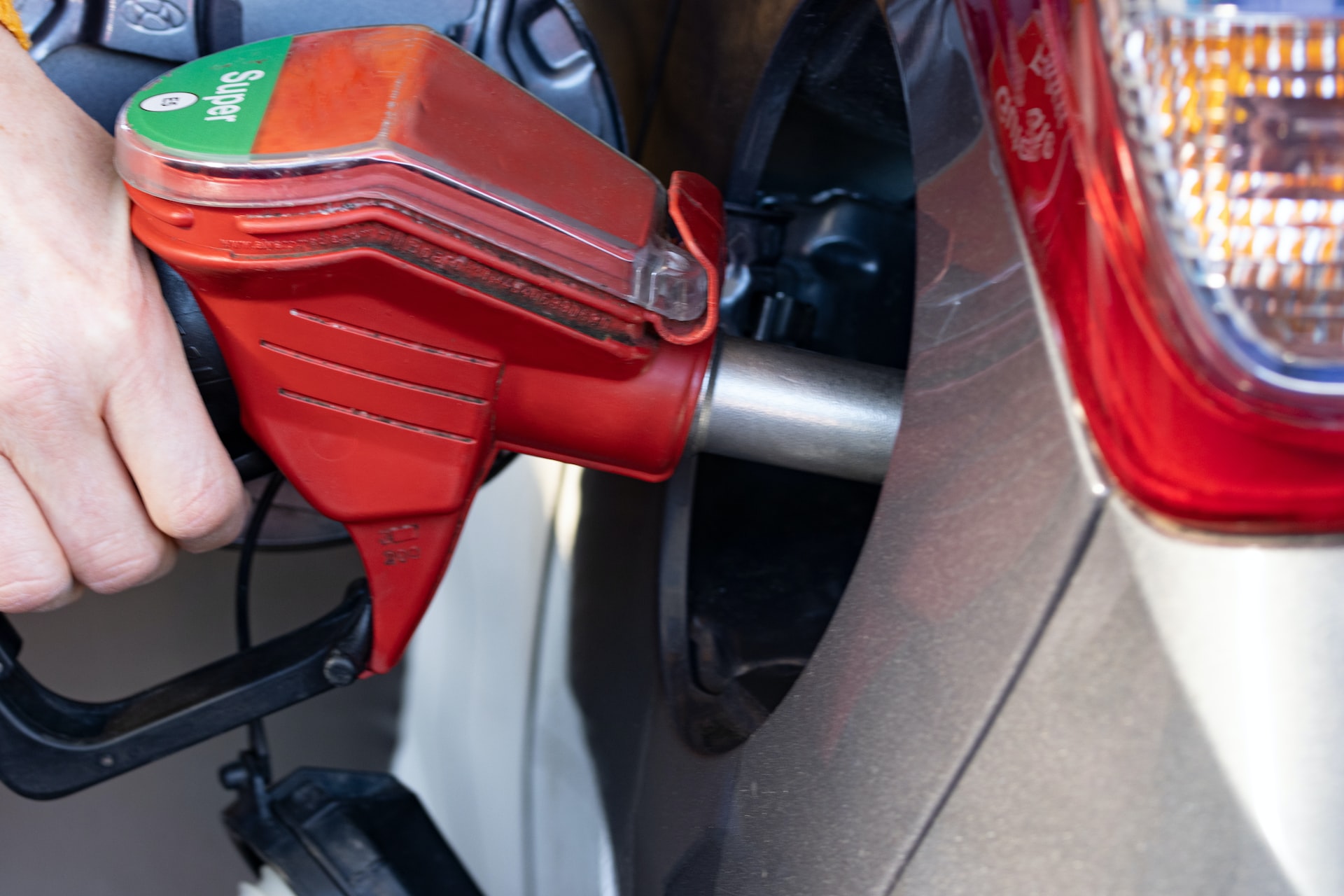
If you’ve been driving long enough, you or someone you know may have encountered a situation where they must drain a car’s fuel tank completely. This is most often due to filling a tank with the wrong fuel, such as filling a diesel car with petrol, and vice versa. If you work on cars, you may have also found yourself replacing a faulty fuel filter. Additionally, if you bought a used car that hasn’t been driven for a while, it might have stale fuel that you shouldn’t use anymore. In all cases, you should drain your fuel tank completely.
In this article, we’re going over four tried and tested ways to drain your fuel tank. Depending on your abilities and the tools you have, you may use any of these methods to empty your fuel tank. Alternatively, Fuel Fixer, the UK’s biggest wrong fuel rescue service, can professionally drain your fuel tank if needed.
1. Use a Hose
Using a hose is the most common and straightforward method of draining a fuel tank. All you need is a hose and a container to collect the fuel. Insert the hose into the tank and suck on the other end of it. This will start the flow of fuel, which you can then transfer to the container.
The advantage of this method is it doesn’t require any specialised equipment. However, it carries some risk of inhaling toxic fumes. Worse, fuel can get into your mouth, which is unpleasant and very dangerous.
2. Use a Compressed Air System
Draining a fuel tank using an air compressor is one of the easiest ways to drain fuel from a tank, and the process is relatively straightforward. However, you will need tools like the air compressor to finish the job quickly.
The tools you will need include an air compressor, a fuel tank adapter, and a fuel line. Once you have these tools, you’ll need to connect the fuel line to the tank adapter and the adapter to the air compressor. Start the compressor when you’re all set up, and the resulting pressure will force the fuel out of the tank.
3. Use a Manual Pump
Using a manual pump to drain a fuel tank is a straightforward process that can be completed with just a few tools. You’ll need a manual pump, a fuel tank adapter, and a fuel line. Once you have these tools, you’ll need to connect the fuel line to the tank adapter and the adapter to the manual pump.
Start the pump when you’re all set up, and the fuel will be forced out of the tank. Keep a container handy to collect the fuel as it is pumped out. When you’re done, disconnect the fuel line, turn off the pump, and store the tools safely.
4. Drain the Fuel Tank Directly
This method may not work on all cars. But if you can find the drain plug on your fuel tank, you can drain the fuel directly. First, you’ll need to locate the drain plug, which is usually located near the bottom of the fuel tank. Once you’ve located it, you can use a wrench to loosen it. As you loosen the plug, fuel will start to drain out. Make sure to have a wide-mouthed container, such as a basin, to catch the fuel from the tank.
Conclusion
Draining a fuel tank is a relatively simple process that can help prevent lasting damage to your car’s engine, especially when putting the wrong fuel in a tank. You can do it safely and with minimal effort with the right tools and know-how. Whether you’re looking to change the fuel filter or want to clear out some old fuel, draining a fuel tank properly is an essential skill you’ll need to learn when maintaining your car.
Did you put the wrong fuel in your tank, well worry no more. Fuel Fixer’s 24/7 wrong fuel drain experts will go to your location and drain your fuel tank to prevent any lasting damage to your engine. Contact us today to learn more.
If you’ve been driving long enough, you or someone you know may have encountered a situation where they must drain a car’s fuel tank completely. This is most often due to filling a tank with the wrong fuel, such as filling a diesel car with petrol, and vice versa. If you work on cars, you may have also found yourself replacing a faulty fuel filter. Additionally, if you bought a used car that hasn’t been driven for a while, it might have stale fuel that you shouldn’t use anymore. In all cases, you should drain your fuel tank completely.
In this article, we’re going over four tried and tested ways to drain your fuel tank. Depending on your abilities and the tools you have, you may use any of these methods to empty your fuel tank. Alternatively, Fuel Fixer, the UK’s biggest wrong fuel rescue service, can professionally drain your fuel tank if needed. And at the end, we will show you a DIY fuel drain on a C2.
1. Use a Hose
Using a hose is the most common and straightforward method of draining a fuel tank. All you need is a hose and a container to collect the fuel. Insert the hose into the tank and suck on the other end of it. This will start the flow of fuel, which you can then transfer to the container.
The advantage of this method is it doesn’t require any specialised equipment. However, it carries some risk of inhaling toxic fumes. Worse, fuel can get into your mouth, which is unpleasant and very dangerous.
2. Use a Compressed Air System
Draining a fuel tank using an air compressor is one of the easiest ways to drain fuel from a tank, and the process is relatively straightforward. However, you will need tools like the air compressor to finish the job quickly.
The tools you will need include an air compressor, a fuel tank adapter, and a fuel line. Once you have these tools, you’ll need to connect the fuel line to the tank adapter and the adapter to the air compressor. Start the compressor when you’re all set up, and the resulting pressure will force the fuel out of the tank.
3. Use a Manual Pump
Using a manual pump to drain a fuel tank is a straightforward process that can be completed with just a few tools. You’ll need a manual pump, a fuel tank adapter, and a fuel line. Once you have these tools, you’ll need to connect the fuel line to the tank adapter and the adapter to the manual pump.
Start the pump when you’re all set up, and the fuel will be forced out of the tank. Keep a container handy to collect the fuel as it is pumped out. When you’re done, disconnect the fuel line, turn off the pump, and store the tools safely.
4. Drain the Fuel Tank Directly
This method may not work on all cars. But if you can find the drain plug on your fuel tank, you can drain the fuel directly. First, you’ll need to locate the drain plug, which is usually located near the bottom of the fuel tank. Once you’ve located it, you can use a wrench to loosen it. As you loosen the plug, fuel will start to drain out. Make sure to have a wide-mouthed container, such as a basin, to catch the fuel from the tank.
How to drain fuel from a fuel tank (non plastic)
More info about fuel drains,
Until the early 1990’s most cars had metal fuel tanks, these were prone to leaking, and also rusted, the rust caused a sludge.
The sludge is drawn into the fuel pump when the tank was nearly empty thus damaging it. Hence why most drivers over 50 are very careful not to run around on a near empty tank…
However after the early 1990’s with the introduction of plastic fuel tanks, the sludge (tank rust & debris at bottom of tank) problem was no longer an issue, plastic tanks did not deteriorate, nor did they leak at the seams. This was a common fault in old metal fuel tanks.
Fuel tanks are now made into more complicated shapes that hug the bottom of the car and use every available nook and cranny as a result of plastic being shaped more intricately than steel.
All modern cars now have plastic fuel tanks.
The one downside is that metal tanks all had a “drain plug” – (much like an oil sump plug) which was a bolt at the bottom of the tank which you undid to drain the contents, this was necessary because when tanks had welding to fix leaks, or needed sludge removed they would need fully drained. (and often filled with water before welding) modern tanks need neither and the car makers didn’t figure on the misfuelling problem in tank design.
However if you misfuel and your car has a metal tank, chances are it will have a drain plug this makes draining very easy to do and is straightforward. The problem you have to solve is to get the car high enough so that you can get under it with containers, 25 litre drums and a funnel on top is best, but the car needs to be about metre off the ground, and also level (I put that in bold for a reason), of course an inspection pit is the best solution.
If you are going to do this yourself please heed the following
- Make sure you have suitable containers, and enough of them, 25 litre plastic drums or 20 litre jerrycans. Do not skimp on containers, have more than you need.
- Petrol and petrol VAPOUR (if need more info) is flammable, it is heavier than air, so if you are working in a pit and spill a bit of fuel, take comfort in the fact that the little spill is now dispersing into a highly explosive gas sitting in the bottom of the inspection pit just waiting for a source of ignition, don’t worry if it is all fine today – the gas will be there tomorrow, and the next day – and the next, so only work in a very well ventilated environment, and don’t spill any.
- Most importantly, PUT THE DRAIN PLUG BACK IN WHEN YOU FINISH
- Duck ponds, children’s playgrounds, neighbours’ gardens, motorway hard shoulders, nature reserves, manhole covers, watercourses, street drains, sewers and swing parks are NOT suitable places to empty a fuel tank by simply draining it onto the ground. Doing so earns you a year’s free accommodation in a very secure environment with set meal and exercise patterns and lots of “me time” – Simply call your local council and find a waste oil recycling collection point, your local garage will often have a facility to dispose of misfuel, or they would know someone who would take it off your hands and put it to good use.
Give us a call if you have put the wrong fuel in your tank.
If You Feel More Confident
Draining a fuel tank is a relatively simple process that can help prevent lasting damage to your car’s engine, especially when putting the wrong fuel in a tank. You can do it safely and with minimal effort with the right tools and know-how. Whether you’re looking to change the fuel filter or want to clear out some old fuel, draining a fuel tank properly is an essential skill you’ll need to learn when maintaining your car.
Did you put the wrong fuel in your tank, well worry no more. Fuel Fixer’s 24/7 wrong fuel drain experts will go to your location and drain your fuel tank to prevent any lasting damage to your engine. Contact us today to learn more.
DIY Fuel Drain
Sometimes fuel cannot be removed from a filler neck, petrol cars in particular have permanently sealed fuel lines with no easy access points, there are a number of ways to skin a wrong fuel cat, here’s one of them
This is a back seat of a C1, I accessed the tank from underneath the seat, the seat lifts up with a hard tug, most bench seats are held on by 2 clips, these clips are just push clips so a tug is all you can do, don’t be scared of breaking them – they are designed to give, when you’re done just push them back into place, make sure to pull the seat belts through the bench seat when you put it back together or you will end up with the female clips hidden under the seat!
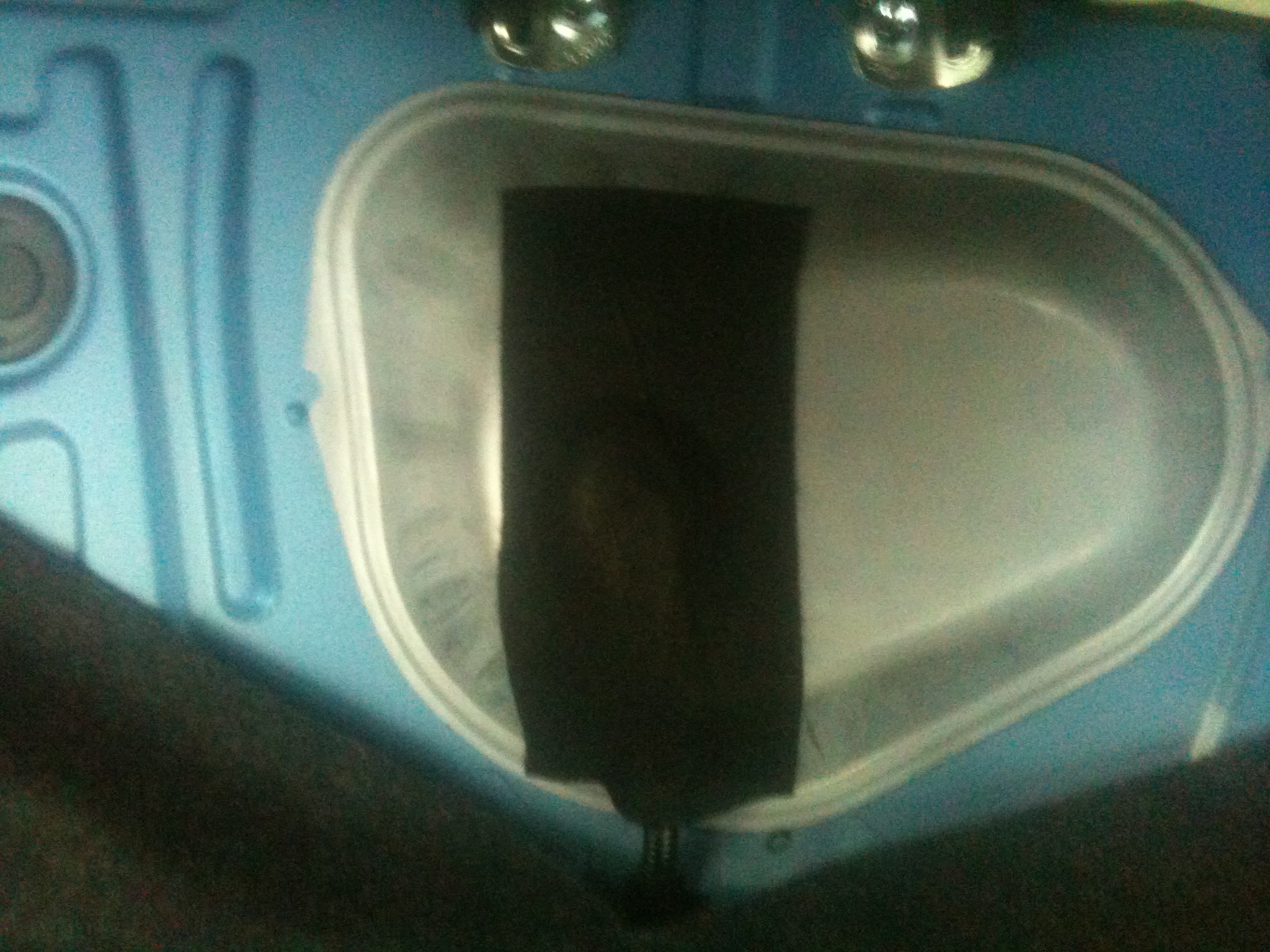
Above This is the cover for the tank, it is attached with a sticky type glue that reseals after it has been removed, prise it off with a large screw driver, being careful not to kink the thin metal,
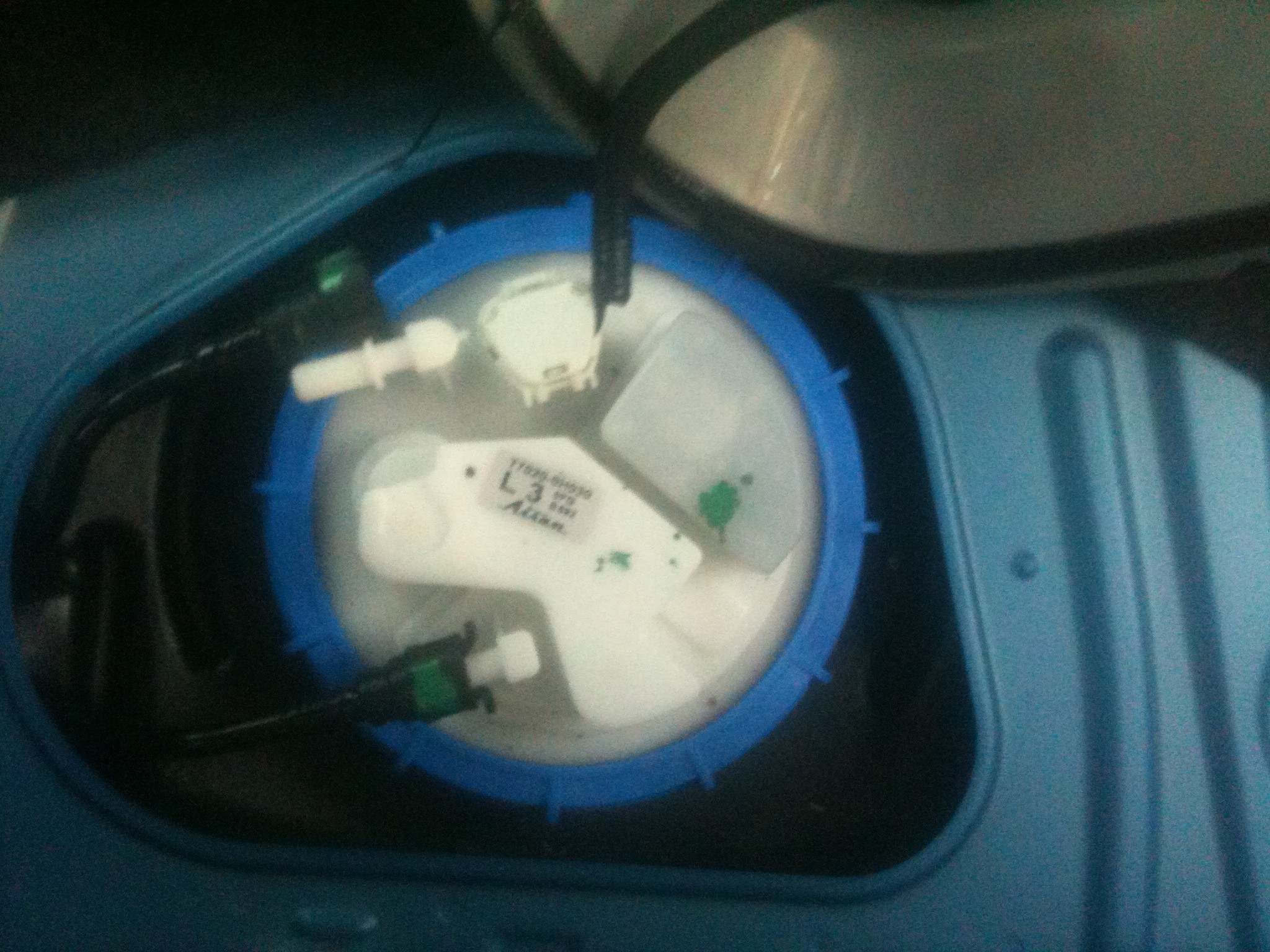
The cover is off and I have unclipped the feed line (top line)
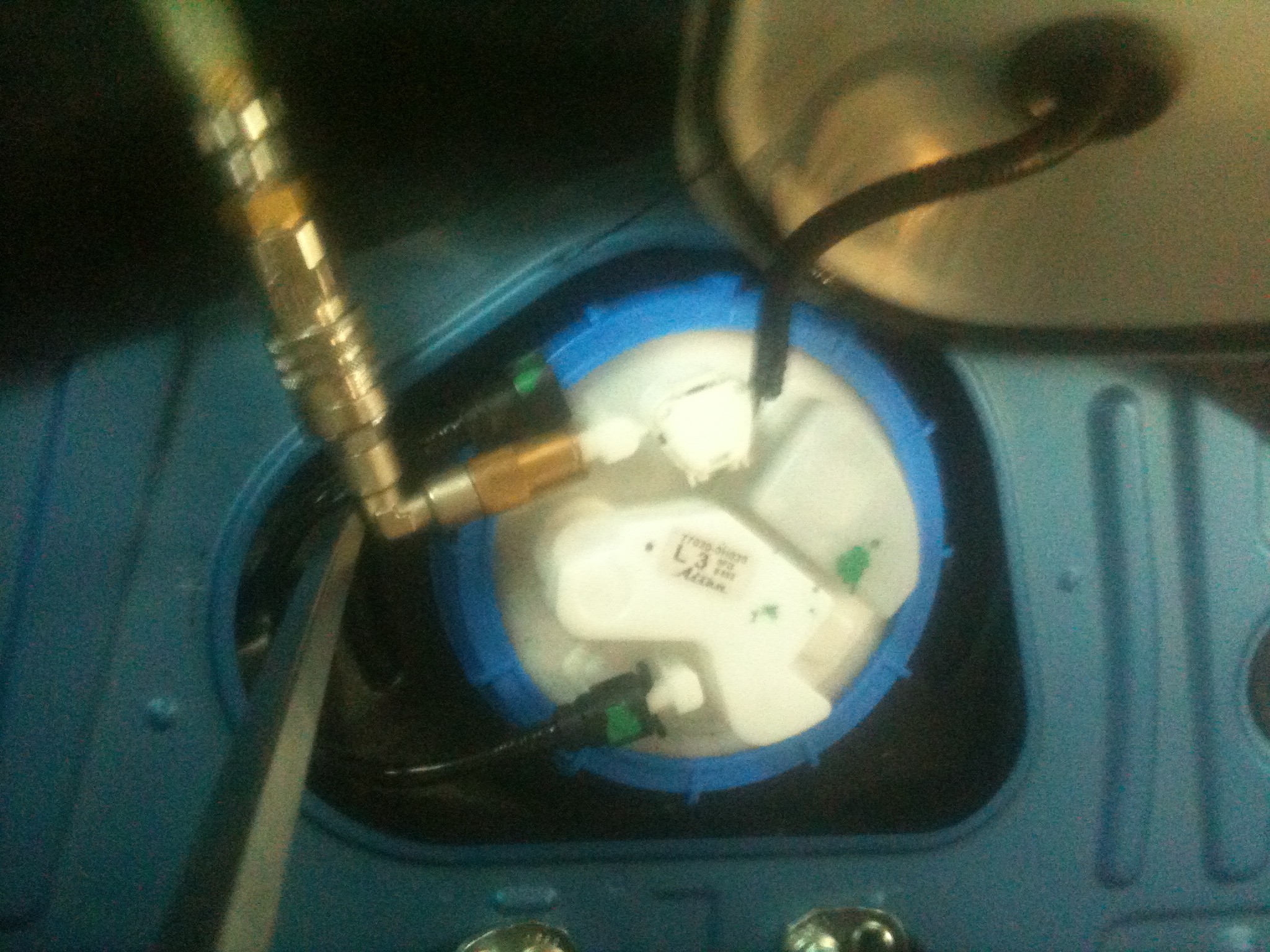
I have now connected my scavenger hose directly into the feed line and have drained the tank, in this case all that was needed was a tank drain because the car had not been driven.
Note the big blue ring, this is a screw cap that holds the sender unit into the tank, if you unscrew this ring (very carefully) you can lift the sender unit out and you will be looking into the fuel tank, you can then syphon directly from the tank this is the most DIY friendly method if you do not have a pump. you cannot syphon off the hose directly because you need too much suction to pull through the fuel pump which is housed in the tank
Be careful if you plan to do your own fuel drain after a mis-fuel, I know many people attempt it at first before calling us and I am happy to talk anyone through a fuel drain if they need expert help, I don’t mind giving out free advice and welcome your calls and comments
But please be careful, petrol is very flammable, it would be wise to read up on the safe handling of petrol before doing a fuel drain, just because fuel is contaminated doesn’t make it any less volatile
Good luck!