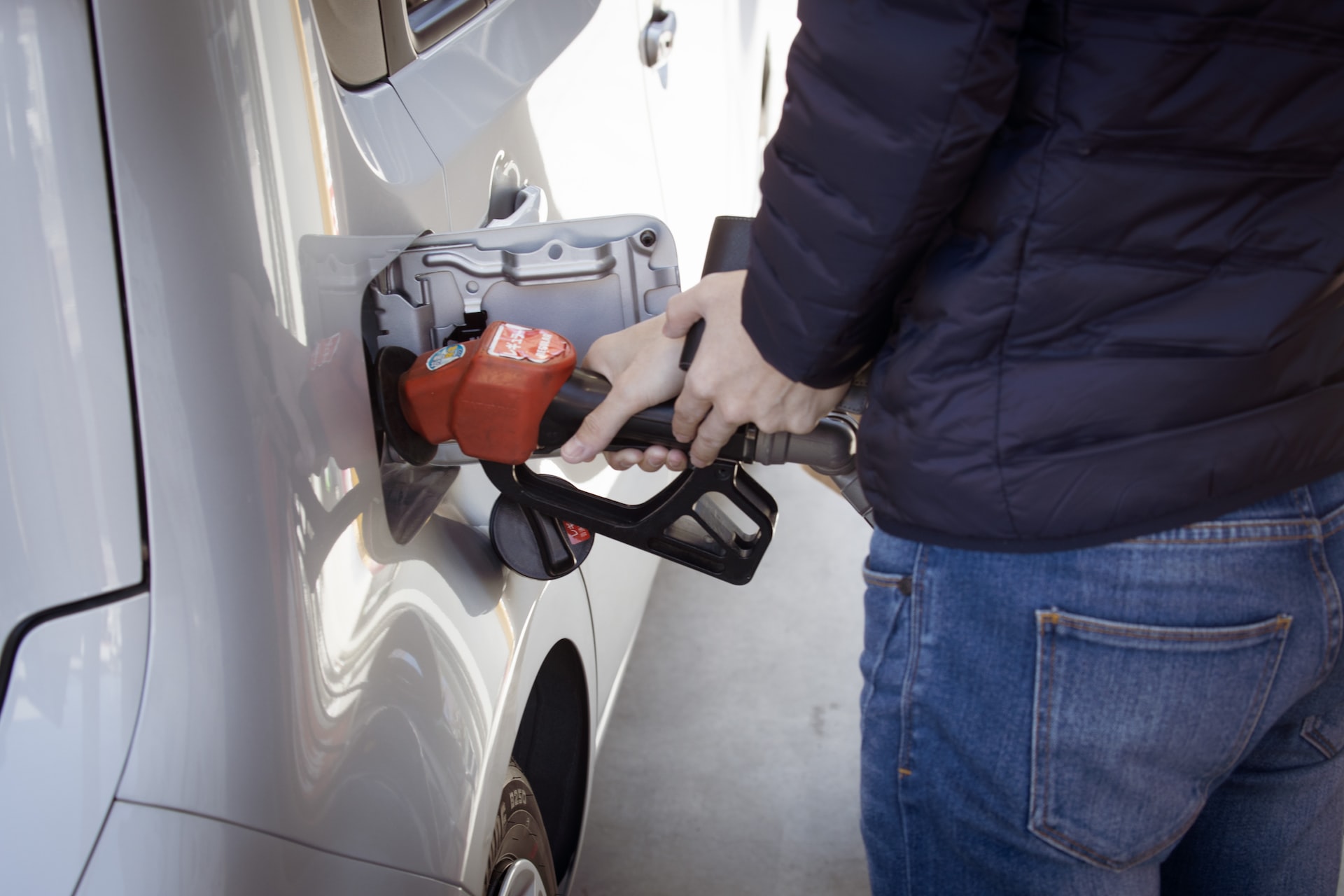
The fuel system is a critical component of your car. The fuel system delivers the fuel to the engine, which makes the combustion process that powers the car possible. Without a properly functioning fuel system, the engine will not run correctly, resulting in expensive trips to the mechanic. A healthy fuel system also helps maintain optimal fuel economy, saving money on fuel costs in the long run.
One of the essential parts of your fuel system is the fuel tank, which stores the fuel used to power the engine. Typically, you’d never want to drain the fuel tank completely to keep your fuel pump and lines lubricated. Most cars are designed to remind drivers never to run their tanks empty. However, knowing how to drain your fuel tank is an essential skill that you should know in some situations. Here are four scenarios where you should drain your fuel tank completely.
1. You Put the Wrong Fuel
Getting the wrong fuel in your vehicle can be a costly mistake. It can cause serious damage to your vehicle’s engine and even be dangerous. It is easy to make the mistake of putting diesel in a petrol car or vice versa. The consequences of this mistake can be dire, so it is essential to know what to do if you accidentally use the wrong fuel.
Putting the wrong fuel in a tank is a fairly common scenario, especially among inexperienced drivers. After all, fuel stations in the UK offer as many as five different fuel options. This can be a costly mistake because the wrong fuel can damage your engine or cause it to malfunction. In this case, draining the fuel tank is the only way to avoid this damage.
Understanding the main differences between fuel, particularly diesel and petrol, is crucial. Putting diesel in petrol and engine and vice versa can cause severe damage to the engine, fuel system, and catalytic converter.
What to Do If You Got the Wrong Vehicle Fuel?
The engine will not work correctly when the wrong fuel is put into a vehicle. This is because petrol and diesel are designed to be burned in engines differently. Petrol needs a spark from the spark plugs to ignite and diesel needs compression. If the wrong type of fuel is put into the engine, it will not be able to produce enough power to drive the car.
In addition to being unable to drive the car, several other potential problems can occur if the wrong fuel is put into a vehicle. The fuel can mix with the engine oil, leading to clogs as well as a loss of lubrication. This can cause the engine to overheat and seize up. The fuel can also damage the fuel lines, injectors and other parts of the engine.
If you’re in this situation, the best thing to do is to call professionals from fuel-draining companies. Besides knowing their way around your car, they will have the necessary tools to drain and contain the fuel from your tank.
If you realise your mistake quickly, you should not start the engine. You should have the fuel drained from the tank and the fuel lines as soon as possible. This should be done by a professional as it is a dangerous process.
How Much Does It Cost to Get Your Vehicle Fuel Drained?
The cost of getting your vehicle’s fuel drained depends on a few factors, such as your vehicle type and the type of service you choose. Generally, the cost of manually draining your vehicle’s fuel is lower than that of a professional service. If you choose to do it yourself, you will need to buy a fuel pump, fuel filter, and other tools or supplies. You can expect to pay anywhere from $50 to $100 for these items.
The cost of using a professional service will depend on your vehicle and the type of service you choose. For instance, if you have a large vehicle like an SUV, you may pay more for the service than a smaller vehicle like a compact car. Additionally, the cost may vary depending on your chosen service type. If you opt for a full service, the cost may be higher than if you just choose an oil change.
What Is the Vehicle Fuel Draining Process?
The fuel-draining process begins by disconnecting the lines that connect the fuel tank to the engine. This includes the fuel lines, fuel pumps, and fuel injectors. Once these lines are disconnected, a fuel hose is attached to the fuel tank, and a container is placed beneath it. The fuel is then drained from the tank into the container.
After the fuel has been drained, the fuel filter is removed from the fuel tank and cleaned with a solvent. This helps to remove any residue or debris from the tank. Next, the fuel tank is refitted with a new fuel filter. Finally, the fuel lines and injectors are reconnected, and the vehicle is ready to use.
2. You Need To Repair Your Fuel Pump
All car parts break down as they age, and fuel pumps are no exception. Since the tank usually houses the fuel pump, replacing it requires you to drain all the fuel left in your tank. While some cars put the fuel pump outside the tank for easier access, most mechanics still recommend draining the tank completely to avoid inhaling poisonous fumes and making a mess in your garage.
3. You Need To Clean Your Tank
Most cars in Europe today use plastic tanks. However, if you have a vintage car, it probably has a metal tank that is prone to corrosion and sludge buildup. Additionally, they use less efficient engines than modern ones, meaning they can leave more waste in the tank after being used. To restore your fuel system to its original working order, it is essential to clean your tank. Remove the tank from the car, empty it, and then use a particular cleaning solution and a brush to scrub away any residue. Once the tank is clean, you can reinstall it and refill it with fresh fuel.
4. You’re Storing Your Car For a While
Finally, if you’re planning to store your car for an extended period, it’s essential to drain the fuel tank. This is because fuel can degrade over time, and this degradation can cause damage to the fuel system. Draining the tank and replacing the fuel with fresh fuel can help to avoid this damage.
Important to Note:
Draining a fuel tank is an essential maintenance task that most people don’t bother to learn unless they make the mistake of putting the wrong fuel in their tanks. If you own a vintage car, you may need to prevent the buildup of sediment and other debris that can clog fuel lines and cause damage to the engine. Additionally, it can help to prevent rust and corrosion that can compromise the integrity of the fuel tank over time. If you’re not confident that you can do it properly, it’s best to call a 24/7 fuel-draining company to do it for you.
If you’ve put the wrong fuel in your car, don’t panic! It’s not the end of the world, and plenty of people can help you get your car back up and running. Make sure you call a professional to help you out and don’t try to fix the problem yourself.
Putting the wrong fuel in your tank doesn’t have to spell doom for your car, as long as you call Fuel Fixer, a 24/7 fuel draining company immediately. WHile waiting. make sure to turn off your car and park in a secure place. Contact us today to learn more.
If you have the wrong fuel in your car, you can contact Fuel Fixer. Putting the wrong fuel in your car can cause a lot of damage and problems. Our specialists can help you deal with this problem; just get in touch with us at Fuel Fixer.